When cross-shopping the 2026 Ford F-250 vs Chevy Silverado 2500 HD, commercial buyers in Sidney require precise mathematical data to determine which truck can survive the extreme stress of daily heavy hauling. Both vehicles are engineered to handle massive payloads, but their differing approaches to engine architecture and suspension geometry yield distinct results on the job site. Chesrown Ford has compiled this structural breakdown to help local contractors make an informed decision based entirely on physical capability.
Before reviewing the exact engine outputs, you can verify our local inventory availability in our New Ford Super Duty Inventory or learn about our commercial fleet support on our Why Buy from Chesrown Ford page.
To accurately evaluate these three-quarter-ton trucks, the data below compares both the entry-level gasoline blocks and the peak performance metrics of their available diesel upgrades.
| Specification | 2026 Ford F-250 | 2026 Chevy Silverado 2500 HD |
|---|---|---|
| Standard Engine Block | 6.8L V8 Gas | 6.6L V8 Gas |
| Base Horsepower | 405 hp | 401 hp |
| Base Torque | 445 lb-ft | 464 lb-ft |
| Max Diesel Output | 500 hp / 1,200 lb-ft | 470 hp / 975 lb-ft |
| Transmission | 10-speed TorqShift automatic | 10-speed Allison automatic |
| Max Gooseneck Towing | 23,000 lbs | 22,500 lbs |
| Maximum Payload Capacity | 4,268 lbs | 3,979 lbs |
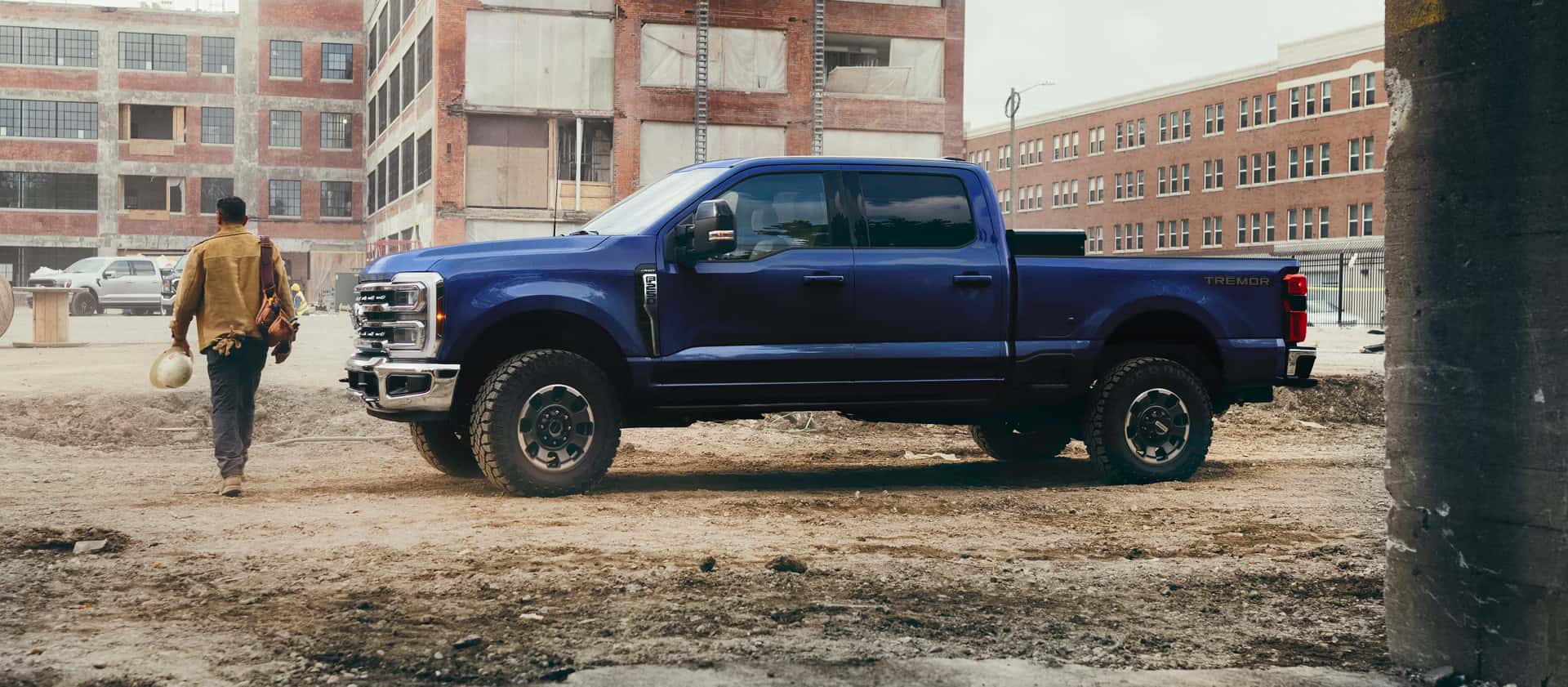 |
The core difference between these two trucks is how they generate high-end pulling power. The Ford F-250 offers an available 6.7-liter High Output Diesel engine that produces 500 horsepower and 1,200 pound-feet of torque. In contrast, the Silverado 2500 HD maxes out its performance with a 6.6-liter Duramax Diesel engine producing 470 horsepower and 975 pound-feet of torque.
In plain English, the Ford powertrain delivers 225 more pound-feet of twisting force directly to the axles. This massive torque advantage means the F-250 requires significantly less engine effort to pull a heavy trailer up a steep grade. Both trucks manage their engine output using advanced gearboxes, with Ford utilizing a 10-speed TorqShift automatic transmission and Chevrolet utilizing a 10-speed Allison automatic transmission. |
|---|
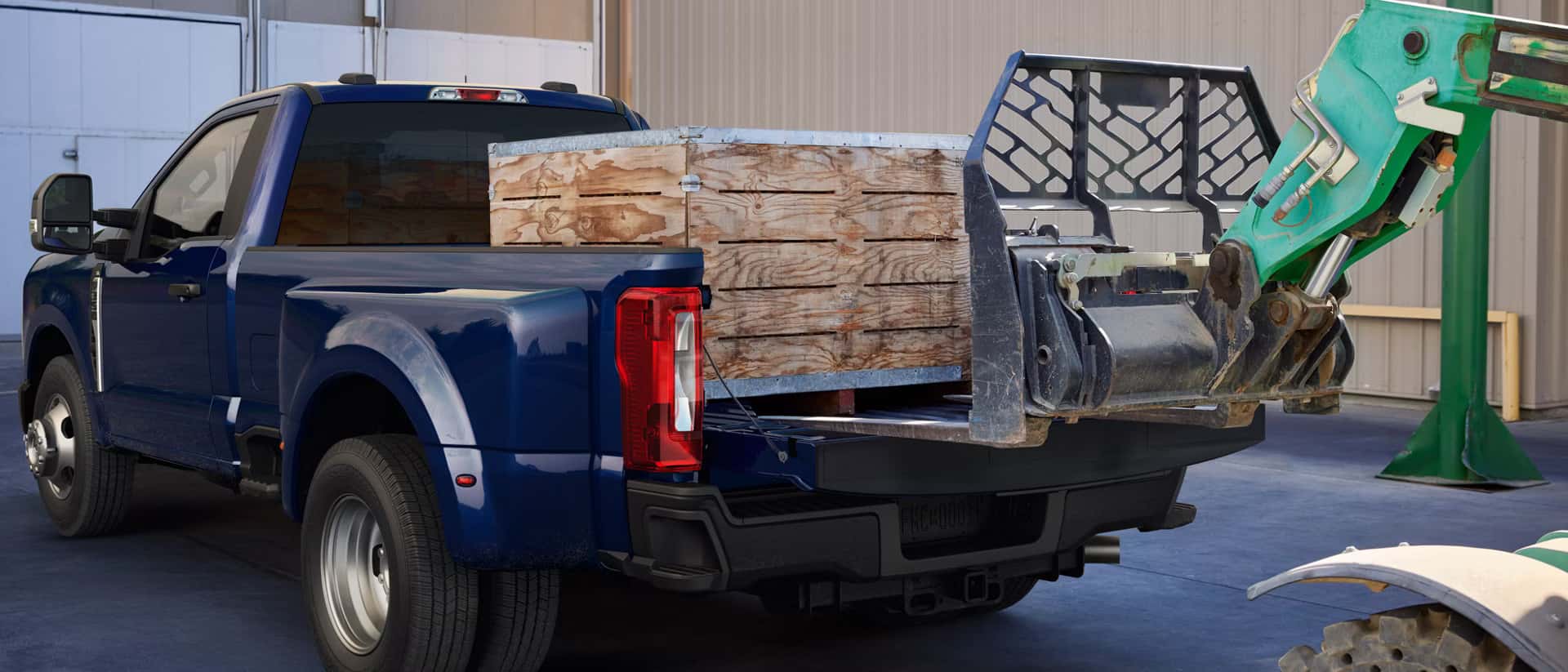
| While towing numbers frequently dominate the heavy-duty conversation, commercial contractors in Shelby County must prioritize payload capacity. Hauling pallets of brick, wet concrete, or heavy tools places direct stress on the truck’s rear suspension and frame geometry.
The Ford F-250 is engineered to manage a maximum payload capacity of 4,268 lbs. The Silverado 2500 HD is structurally rated for a maximum payload capacity of 3,979 lbs. This 289-pound physical advantage allows the F-250 to haul significantly more aggregate material per trip without compressing the rear leaf springs beyond their safe operational threshold. |
 |
|---|
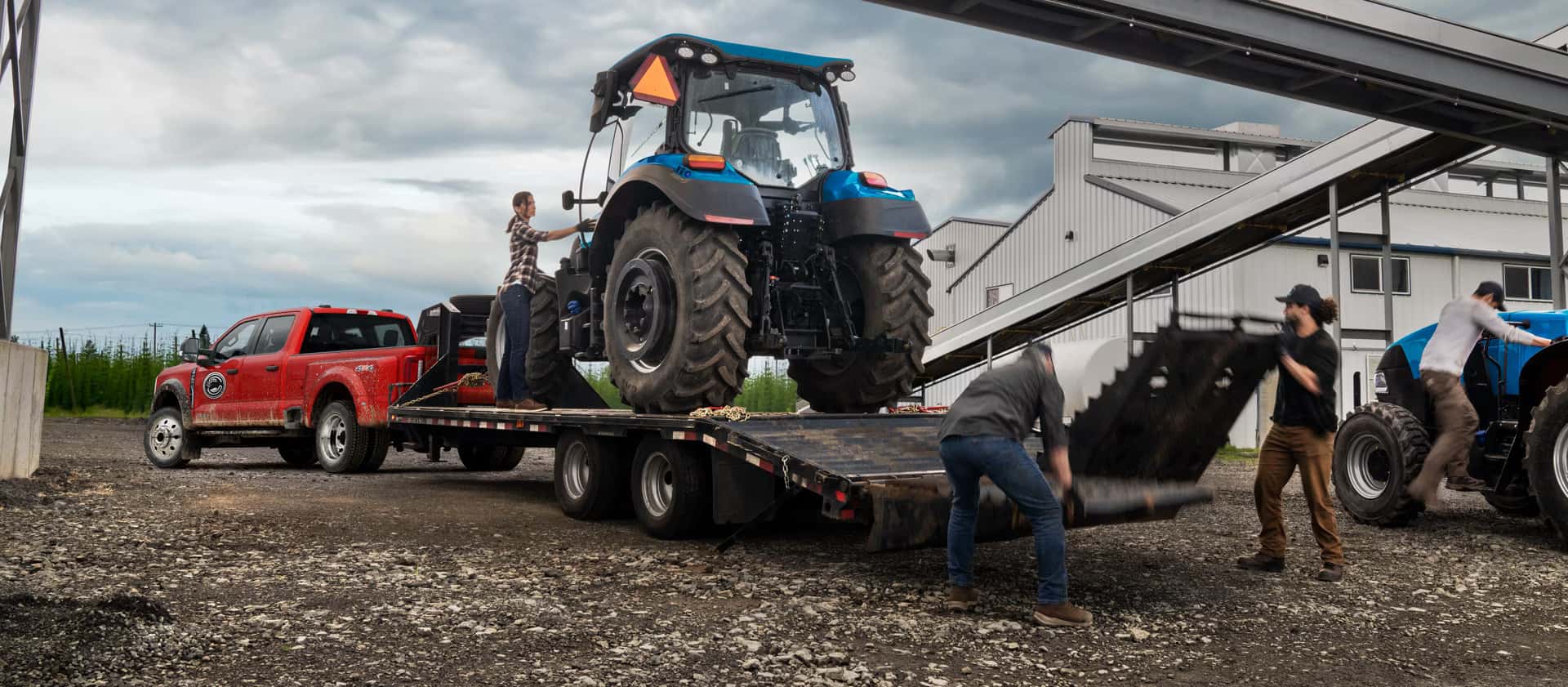 |
Towing massive loads safely requires strict adherence to factory hitch ratings. When evaluating maximum gooseneck towing capacities, the numbers remain extremely competitive. The Ford F-250 provides up to 22,000 lbs of gooseneck capability, while the Silverado 2500 HD offers up to 22,500 lbs of gooseneck capability. Both trucks feature heavy-duty cooling systems and integrated trailer brake controllers to safely manage the kinetic energy of pulling multi-axle trailers over long distances. |
|---|
When analyzing the mathematical data, the 2026 Ford F-250 provides Sidney buyers with clear advantages in maximum torque output, horsepower, and total payload capacity. By offering a high-output diesel variant that crosses the 1,200 lb-ft torque threshold, Ford ensures your commercial fleet never struggles under maximum load.
Would you like to schedule a dedicated payload consultation with our commercial team to physically test the TorqShift transmission on the F-250?